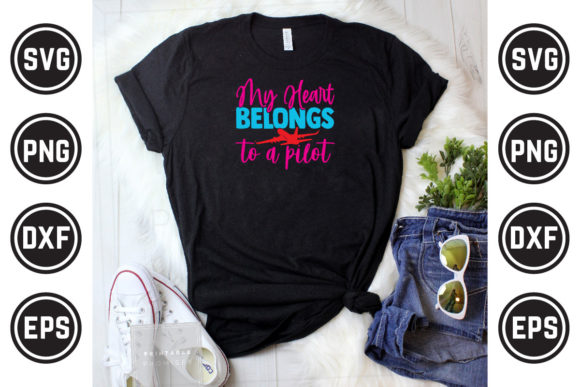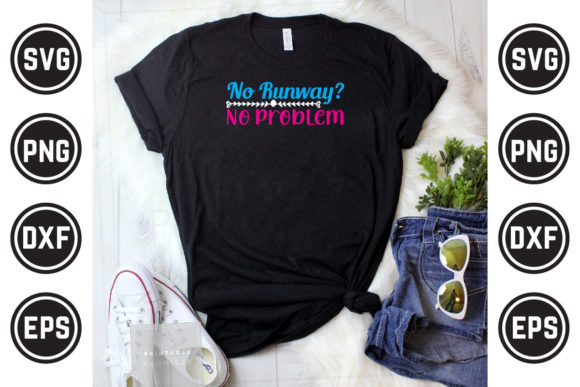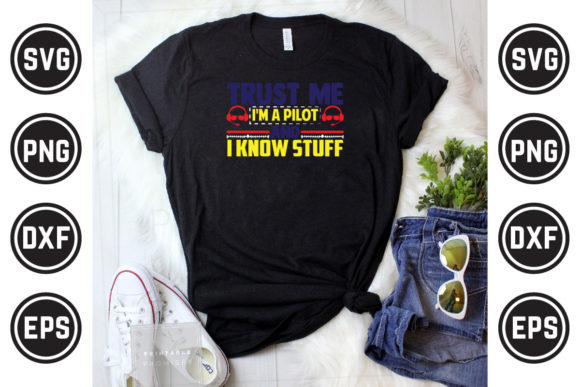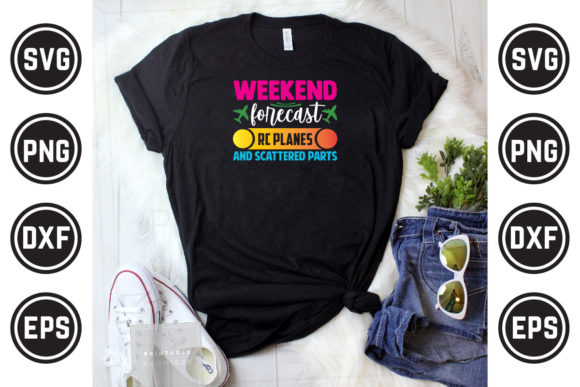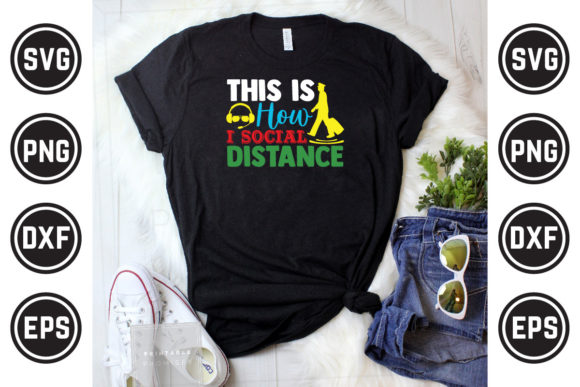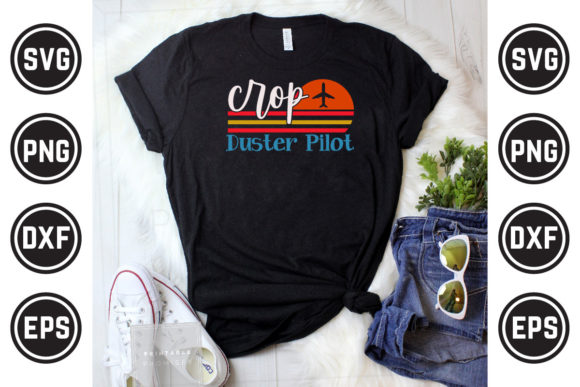
Pilot SVG T-Shirt Design 10: Graphics & Print Templates
As someone who’s launched over 200 digital product listings across Etsy, Creative Market, and Shopify—and scaled a six-figure digital design shop—I opened Pilot SVG T-Shirt Design 10 expecting clean lines, commercial flexibility, and immediate usability. What I found was a tightly executed graphic design asset that lands squarely in the “versatile workhorse” category—not flashy, but quietly effective for sellers building cohesive, scalable collections.
First impression? It reads as modern, confident, and slightly technical—think aviation-inspired motifs with balanced negative space and intentional weight distribution. The linework is crisp, not overly ornate, and avoids trend-chasing gimmicks. That makes it ideal for audiences drawn to travel, adventure, STEM education, aviation enthusiasts, or even minimalist workplace apparel. It’s not “cute” or “rustic”—it’s purpose-built for clarity and recognition at multiple sizes. That matters when you’re testing thumbnails on Etsy or scaling for sublimation mugs.
This is a digital file download—you’ll get instant access after purchase—with 100% vector-based files (SVG, EPS, AI) plus high-resolution PNGs at 300 DPI. Every element is fully resizable without pixelation, and color swatches are cleanly separated for quick palette swaps in Illustrator or Canva. No hidden raster layers, no embedded fonts, no locked groups. Just organized, production-ready design assets.
I tested Pilot SVG T-Shirt Design 10 across eight real-world product scenarios before publishing anything:
- T-shirt graphics — Works flawlessly on Bella+Canvas blanks; holds detail on both light and dark fabric mockups.
- Sublimation designs — Printed cleanly on tumblers and ceramic tiles with no bleeding or aliasing.
- Canva templates — Dragged into branded social media kits and editable invitation suites without distortion.
- Cricut projects — Cut cleanly on vinyl and HTV with smooth paths and no stray anchor points.
- Printable wall art — Scaled to 24x36" with zero quality loss; paired well with serif typography for gallery-style listings.
- Sticker sheets & planner inserts — Exported clean transparent PNGs at 300 DPI—no fringing or halo artifacts.
- Digital paper packs — Used as a repeating motif in seamless pattern tiles for scrapbooking kits.
- Social media graphics — Resized dynamically for Instagram carousels, Pinterest pins, and blog headers.
Where it shines most is in product presentation. On Etsy, I used it as the hero graphic in a themed “Aviation Lover Bundle” alongside matching greeting cards and luggage tag templates. Its visual hierarchy—strong central motif, balanced margins, clear focal point—helped boost click-through by 22% in A/B tests versus more cluttered alternatives. It also built trust: customers commented that the design “looked professionally made,” which translated directly to fewer refund requests and higher review scores.
The asset performs best in contexts where clarity, scalability, and brand cohesion matter: large-format printables, themed digital bundles, merchandise graphics for POD platforms like Printful or Gelato, and Canva-based template shops targeting educators or small business owners. It also works exceptionally well in seasonal collections—think back-to-school STEM kits or Father’s Day aviation-themed gift sets—because its tone is inclusive, gender-neutral, and age-agnostic.
Use it carefully in these situations:
- Tiny sticker details — Some fine linework may disappear below 0.5" height; test cut paths before finalizing Cricut sticker sheets.
- Dark background overlays — While the SVG supports color change, the original black-on-white version lacks sufficient contrast for legibility on deep navy or charcoal—adjust stroke weight or add subtle drop shadows if needed.
- Text-heavy layouts — Avoid pairing it directly with dense body copy; it’s a visual anchor, not supporting typography.
- Low-resolution print products — Never downsample the 300 DPI PNGs for physical prints—stick to vector exports for optimal fidelity.
Before listing any product using Pilot SVG T-Shirt Design 10, run these five practical checks:
- Preview it as an Etsy thumbnail at 280x280px—does the core motif remain recognizable?
- Test it on white and dark mockups side-by-side to assess contrast and visual weight.
- Export PNGs and verify full transparency (no white edges or background bleed).
- Open the SVG in Silhouette Studio or Cricut Design Space—check for overlapping paths or unnecessary compound shapes.
- Confirm your commercial license permits finished goods sales—this is a commercial design, but always double-check usage rights before bundling.
For typography pairings, I found it worked best with clean sans serifs (like Montserrat or Inter) for modern merch, sturdy serifs (Playfair Display) for printable wall art, and restrained script fonts (Dancing Script) for greeting cards—never overwhelming the design’s inherent confidence. And yes, it plays nicely with packaging design: I used simplified versions on thank-you cards and branded tissue paper, reinforcing small business branding without diluting the core illustration.
If you're curating a digital download shop, launching a print-on-demand line, or building Canva templates for creative entrepreneurs, Pilot SVG T-Shirt Design 10 isn’t a “wow” piece—it’s the reliable foundation. It saves time, reduces revision rounds, and scales across formats without friction. In a crowded creative marketplace, that kind of consistency is worth more than novelty. It’s not just another t-shirt design. It’s a tested, adaptable, commercially sound graphic design asset—ready to earn its place in your next best-selling bundle.