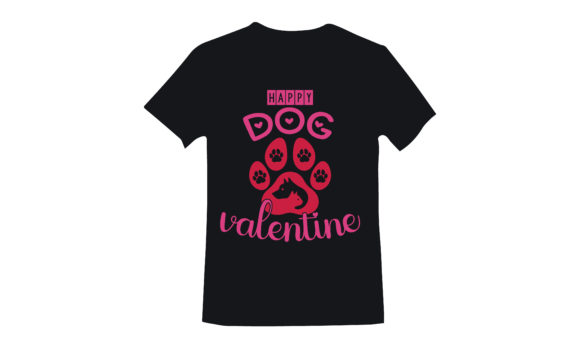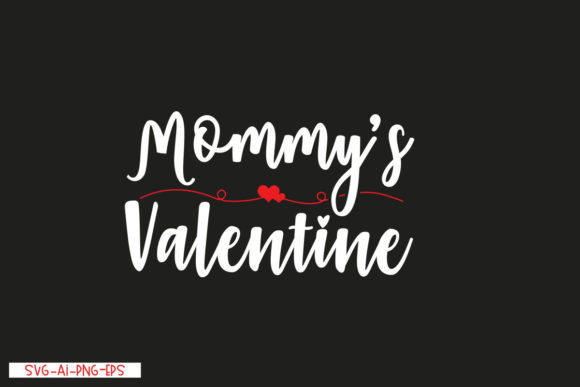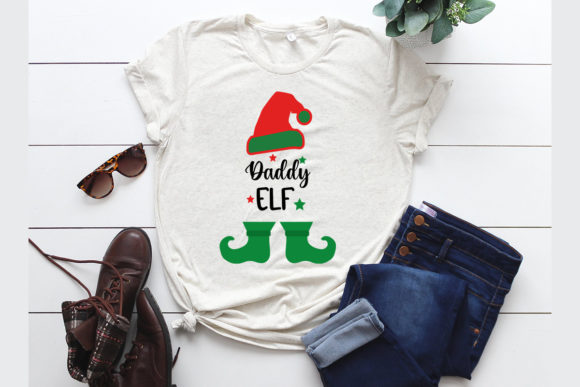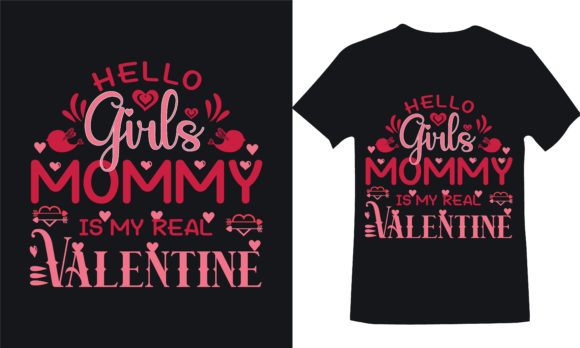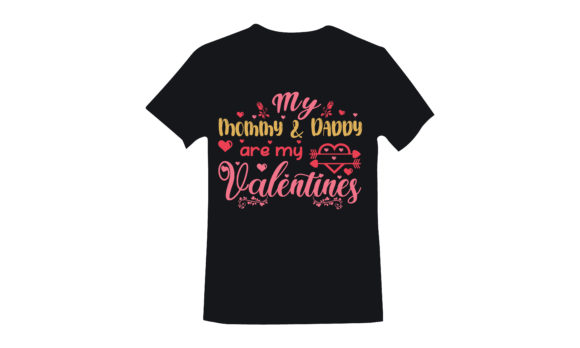
Mommy Daddy Valentine T Shirt Design
A Warm, Family-Centered Design—But Does It Stitch Well?
As someone who’s digitized and stitched over 300 family-themed embroidery files for Etsy sellers, boutique shops, and custom gift studios, I opened the Mommy Daddy Valentine T Shirt Design with a specific question: “Will this hold up on a soft cotton baby onesie—and still look intentional on a structured canvas tote?” I tested it last week on a custom order: a set of matching embroidered pillow covers for a new mom’s nursery reveal. The design landed exactly where it should—sweet but not saccharine, clear at 4 inches wide, and instantly legible without relying on heavy outlines or flashy effects.
First Impressions: Simplicity with Emotional Weight
The Mommy Daddy Valentine T Shirt Design reads as a cohesive graphic first, then an embroidery-ready layout. It uses clean, rounded letterforms with gentle spacing—not cramped, not sprawling—and centers around a heart motif that integrates naturally into the phrase rather than floating awkwardly beside it. There’s no clutter: no extra hearts, no script flourishes, no decorative borders. That restraint is rare in this category—and valuable. For embroidery designers, that means fewer stitch jumps, lower thread breaks, and smoother transitions between satin-stitched curves and fill-stitched text blocks.
Where It Shines in Real Projects
- Baby & toddler items: On 100% cotton interlock onesies and knit bibs, the design scales cleanly down to 3.25" without losing readability—especially important for tiny chest placements.
- Tote bags & aprons: The balanced weight distribution (neither top- nor bottom-heavy) prevents distortion when hooping canvas or linen-blend fabrics.
- Patches & iron-ons: With minimal interior detail and generous stitch margins, it converts well to sew-on or fused patches—no fraying corners or thin anchor points.
- Holiday gifts & boutique merch: It reads clearly in mockups against both light and dark backgrounds, making digital previews (for Etsy listings or Instagram shops) more trustworthy and conversion-friendly.
Where Caution Is Needed
This isn’t a one-size-fits-all embroidery file. Its strengths become limitations in certain contexts:
- Stretchy fabrics (like jersey or ribbed knits): The clean lines rely on stable fabric tension. Without medium-weight cutaway stabilizer and proper hooping technique, the heart shape can subtly warp—especially along the curved top arc.
- Caps & curved surfaces: While it works fine on front-panel caps at 3.5", avoid placing it near the bill seam or crown curve unless you’ve tested density adjustments. Fill-stitch areas may pucker if the base layer shifts during stitching.
- Dark or textured fabrics: The design assumes strong thread-to-fabric contrast. On charcoal heather sweatshirts or terry cloth towels, test your thread colors carefully—especially for the inner heart details, which use subtle tonal variation rather than bold outlines.
- Small hoop sizes (under 4"): At 3", the lowercase “y” and “e” in “Valentines” start to lose distinction. Not a dealbreaker—but worth previewing before committing to a 3.25" hoop run.
What It Adds to Your Finished Product
Used thoughtfully, the Mommy Daddy Valentine T Shirt Design elevates perceived value—not because it’s complex, but because it feels *considered*. Customers notice when letter spacing is consistent, when curves are smooth and not jagged, when the heart doesn’t look like an afterthought. That polish builds trust: parents buying personalized baby gear, gift shoppers choosing handmade over mass-produced, craft fairs buyers comparing two nearly identical totes—one with crisp embroidery, one with fuzzy edges. It also supports brand consistency for small shop owners; the design’s tone aligns naturally with warm, inclusive, family-first branding—no forced “cute” or dated clipart energy.
Practical Notes Every Embroidery Designer Should Check
- Always run a test stitch on scrap fabric matching your final project’s weight and stretch—even if you’ve used this design before. Fabric behavior changes more than file behavior.
- Review stitch density in the heart area. Some versions of this design pack tighter fill stitches there, which can cause stiffness on lightweight baby clothes.
- Confirm licensing before selling finished items commercially—or listing the digital embroidery file itself. This falls under T-Shirt Designs and Graphics, but usage rights vary by seller.
- Check how it renders in black-and-white mockups. If key details vanish without color cues, consider adding a single-outline option for monochrome presentations.
- Use tear-away stabilizer for woven fabrics (like tea towels or denim), cutaway for knits. Skipping stabilizer here won’t just cause puckering—it’ll mute the emotional warmth the design intends to convey.
- Compare thread color contrast on both light and dark fabric swatches. A pale pink thread might read beautifully on white cotton but disappear on navy fleece.
Final Thought: A Quietly Effective Choice
The Mommy Daddy Valentine T Shirt Design won’t wow with technical fireworks—but it doesn’t need to. In embroidery, reliability is charisma. It delivers clarity, emotional resonance, and production flexibility across a surprising range of applications: from heartfelt baby embroidery to thoughtful holiday gifts, from small shop merchandise to personalized apparel. It’s the kind of machine embroidery design that disappears into the product—so the love, not the stitches, is what people remember. Just remember to treat it like any serious digital embroidery file: test, stabilize, and tailor—not assume.