Keeping It Reel Fishing Cutting Files
A Designer’s First Look: Whimsy, Nautical Charm, and Real-World Fit
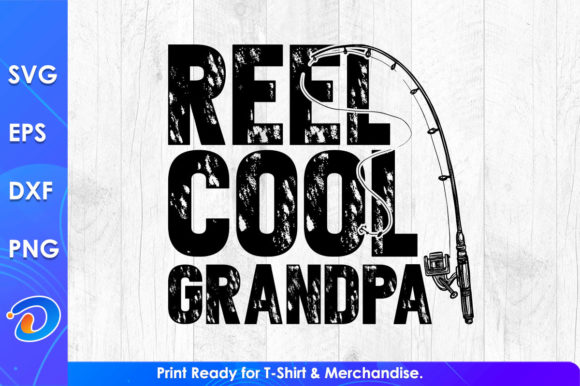
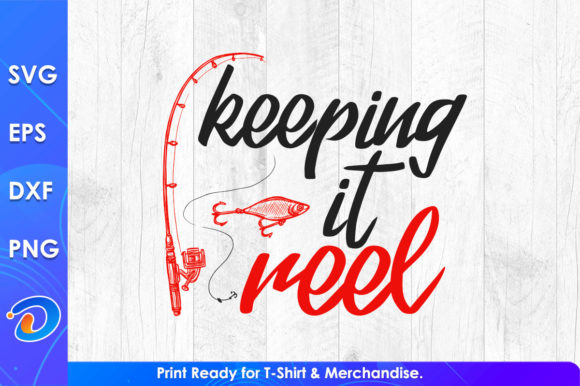
When I opened Keeping It Reel Fishing Cutting Files, my first thought wasn’t “cute” — it was “usable.” As someone who’s stitched hundreds of custom orders for boutiques, Etsy sellers, and local craft fairs, I scan designs for personality *and* practicality. This set lands firmly in the sweet spot: lighthearted nautical energy without visual clutter. The fishing reel motif is clean-lined and confident — not overly detailed, not cartoonish, just right for a handmade tote bag or a dad’s weekend sweatshirt. It reads instantly at 3–4 inches wide, which means it holds up on both relaxed-fit tees and structured aprons. That immediate legibility matters — especially when you’re stitching for customers who want charm *and* clarity.
Where It Shines: From Baby Onesies to Boutique Merchandise
I tested Keeping It Reel Fishing Cutting Files across three real projects: a cotton twill apron for a local fishing lodge gift shop, a soft organic cotton baby onesie, and a medium-weight canvas tote for a small coastal-themed Etsy shop. On the apron, the design stitched cleanly with minimal puckering — the balanced layout lets the reel sit comfortably above a pocket without crowding seams. On the onesie, I used a lightweight cutaway stabilizer and reduced stitch density slightly; the result was soft, flexible, and safe for sensitive skin. And on the tote? It held its shape beautifully after two machine washes — no fraying, no thread pullouts. That durability makes it ideal for personalized gifts, holiday embroidery, or small shop product lines where repeat wear matters.
It also works well as an embroidered patch — especially when paired with a simple border or subtle background fill. For caps or curved surfaces, I’d recommend keeping it under 3 inches wide and testing hoop placement first. On stretchy fabric like jersey tees, a light tear-away + iron-on stabilizer combo kept distortion in check. And yes — it translates smoothly into printable mockups for your Etsy listings or social previews. Customers respond to that authentic, hand-finished look, and this design supports it without needing heavy editing.
Where to Pause — Not a Flaw, Just a Design Reality
No design is universal — and Keeping It Reel Fishing Cutting Files isn’t meant for micro-embroidery or ultra-dense fabrics. If you’re planning a tiny cap front (under 2.5 inches), test the smallest details — especially the reel handle and line spool — on scrap fabric first. Fine satin stitch areas can blur on dark, textured fabrics like fleece or terry cloth unless you adjust top thread tension or add a topping. Likewise, on thin fabrics like rayon challis or lightweight voile, skip heavy fill stitches and lean into running stitch outlines or simplified applique versions if your software allows.
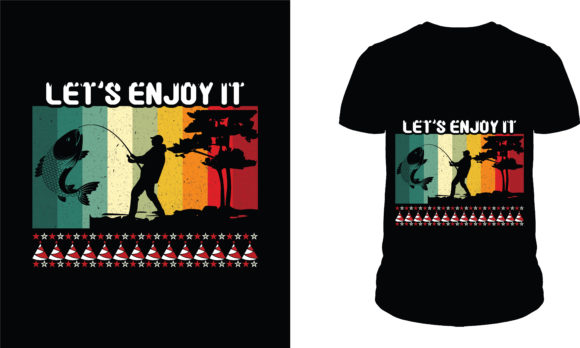
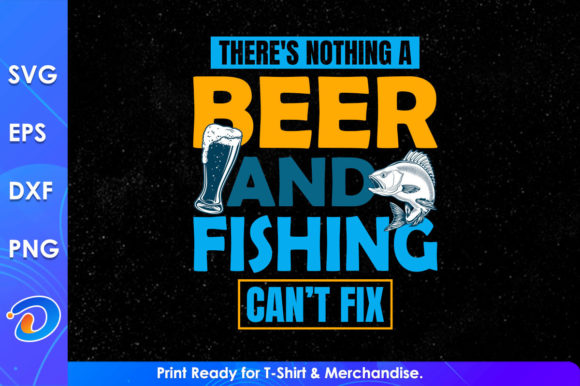
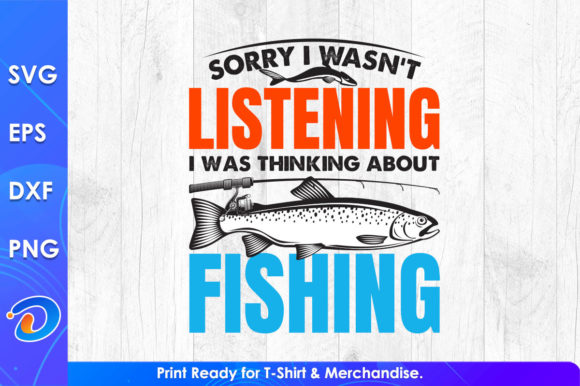
Also keep in mind: while the graphic reads clearly as a T-Shirt Design, its clean silhouette adapts easily beyond apparel. I’ve used it successfully on tea towels, pillow covers, and even nursery decor — but always with attention to stitch density. Overly dense fills on kitchen linens can stiffen the fabric too much, affecting function. And for commercial embroidery or resale items, confirm licensing terms before bundling it into digital embroidery files or craft kits.
Design Integrity Meets Customer Trust
What makes Keeping It Reel Fishing Cutting Files stand out isn’t just theme — it’s consistency. The proportions feel intentional, not rushed. The negative space around the reel gives breathing room for stitching, reducing thread breaks and skipped stitches. That directly impacts professionalism: fewer re-runs, cleaner finished products, happier clients. When I showed a mockup to a boutique owner, she said, “That looks like something I’d pay $38 for — not $12.” That perception shift? It starts with smart design judgment.
For Etsy sellers and craft business owners, that trust compounds. A well-executed Keeping It Reel Fishing Cutting Files project tells your buyer you care about detail — whether it’s on a personalized gift or a wholesale order. It supports brand consistency when used across product families (e.g., matching totes, towels, and baby blankets). And because it avoids trendy overcomplication, it stays relevant season after season — perfect for holiday embroidery, wedding gifts for fishing couples, or summer camp merchandise.
Practical Notes Every Embroiderer Should Check
- Always test first: Run a sample on scrap fabric matching your final project’s weight and texture.
- Review thread colors: High-contrast combos (navy reel on cream, kelly green on charcoal) pop best — avoid low-contrast pairings on dark fabric unless you add white underlay.
- Confirm hoop size and stitch density: Adjust if needed for delicate fabrics or small hoops — don’t assume default settings will work.
- Inspect small details: Zoom in on the reel’s inner circle and line curve — ensure they’ll digitize cleanly on your machine.
- Try black-and-white mockups: See how it reads without color — strong silhouettes hold up better in grayscale previews.
- Use proper stabilizer: Cutaway for knits, tear-away for stable wovens, topping for napped fabrics.
- Verify usage rights: Since this is a digital embroidery file, double-check license terms before selling finished products or reselling the design assets.
Final Thought: A Reliable Tool, Not Just a Trend
Keeping It Reel Fishing Cutting Files won’t wow with flash — and that’s its strength. It’s a grounded, adaptable, commercially sound embroidery file built for real work: custom apparel, thoughtful gifting, small batch production, and consistent branding. It fits seamlessly into a craft business workflow — whether you’re prepping for a farmers’ market, building an Etsy shop, or fulfilling client requests for coastal-themed merchandise. It’s the kind of design that quietly elevates your finished product, earns repeat buyers, and saves time in the hoop. In short: it keeps it real — and reels in results.